A practical guide to interpreting accommodation listings and finding information on dining, parking, entertainment and other venue-related searches.
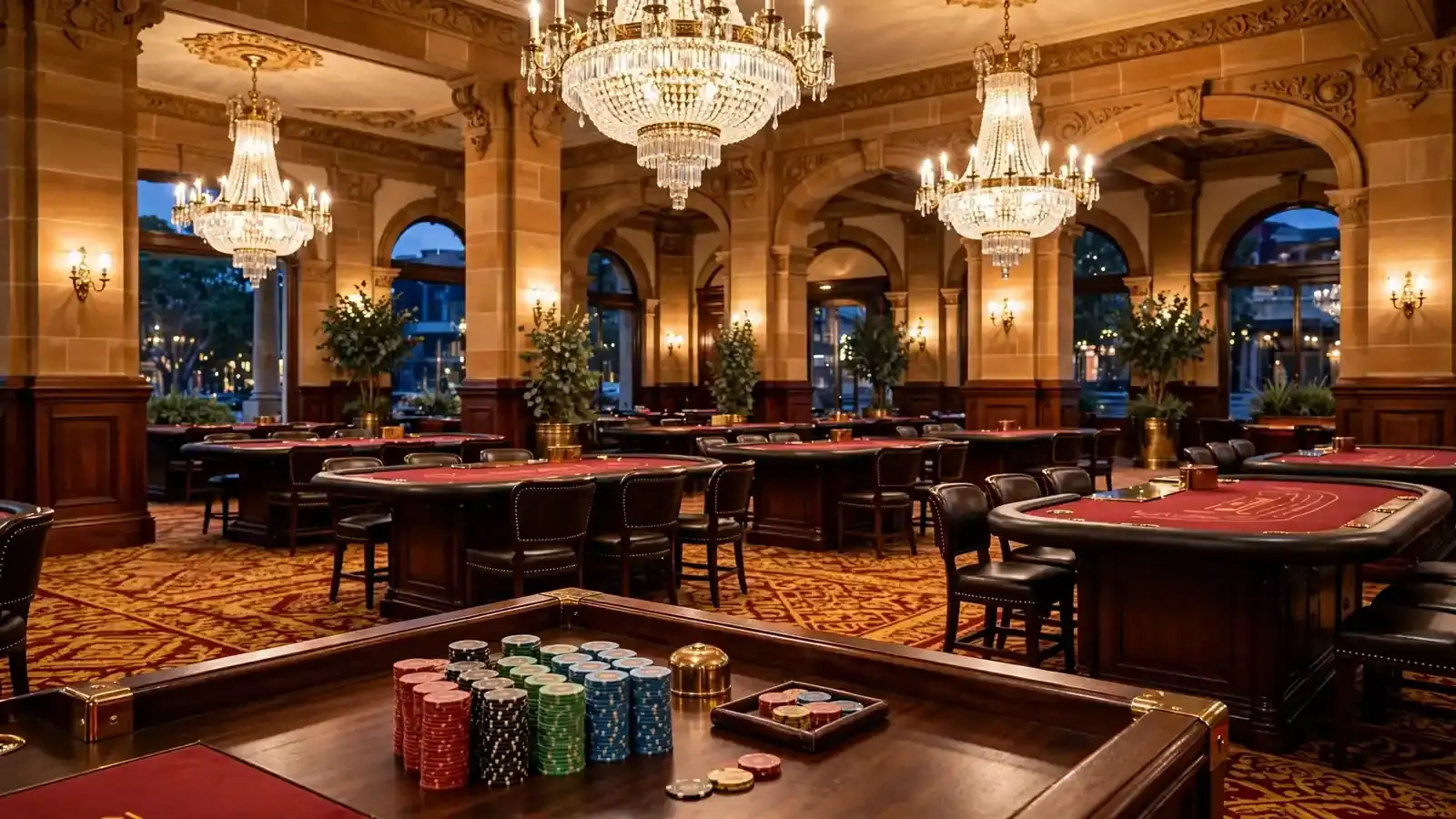
Staying at the Adelaide Casino Hotel
A hotel search attached to a casino name can mean several different things: a room sold by the venue, a property using the casino as a location marker, or a booking page that groups nearby stays together. Those are not interchangeable. I learned to read the name on the listing as a starting point, not proof of who operates the accommodation or what is included.
For a stay described as part of the Adelaide Casino, the useful question is what the booking actually covers. The room category, occupancy, dates, cancellation terms and any inclusions should be stated on the offer itself. A headline such as “casino hotel deal” is only a label. It does not establish a discounted rate, a particular room type or access to anything beyond the accommodation named in the terms. The conditions do the work. The headline sells the first click.
Room descriptions need the same close reading. A category name may sound distinctive, but the practical details are the bed arrangement, capacity, facilities and any restrictions attached to that specific room. These can differ between room types and booking conditions. An image can help show the style of a room; it cannot settle the terms of a reservation. I would rely on the written description and confirmation, not infer a feature from a photograph or a broad promotional phrase.
Choosing an online casino from Adelaide calls for checking the details that matter to you, including licensing and payment terms. Use this list as a starting point and confirm that each service is available to you in Australia.
-
WinSpirit Casino
- License
- Curacao eGaming OGL/2024/923/0383 (Antillephone N.V.)
- Min. deposit
- A$30
WinSpirit Casino lists a Curacao eGaming licence, OGL/2024/923/0383, issued by Antillephone N.V. Its minimum deposit is A$30.
-
Golden Pokies
- License
- Curacao
Golden Pokies is listed with a Curacao licence. That jurisdiction is the available licensing detail to consider.
-
Wild Tokyo
- License
- Curacao
- Payout speed
- crypto 30-60 minutes, fiat 1-5 days
- Min. deposit
- A$10
Wild Tokyo lists a Curacao licence and a minimum deposit of A$10. Its stated payout times are 30–60 minutes for crypto and 1–5 days for fiat.
-
MrPacho
- Payout speed
- crypto 30-120 minutes, fiat 24-72 hours
- Min. deposit
- A$30
MrPacho lists a minimum deposit of A$30. Its stated payout times are 30–120 minutes for crypto and 24–72 hours for fiat.
-
Bizzo Casino
- License
- Curacao Gaming Control Board (TechSolutions Group N.V.)
Bizzo Casino lists the Curacao Gaming Control Board, with TechSolutions Group N.V. named in the licensing information.
-
GoldenCrown
- License
- Curacao Gaming Control Board OGL/2023/176/0095 (Hollycorn N.V.)
GoldenCrown lists a Curacao Gaming Control Board licence, OGL/2023/176/0095, held by Hollycorn N.V.
-
Vegaz Casino
- License
- Curacao OGL/2024/1335/0780
- Min. deposit
- EUR 20
Vegaz Casino lists a Curacao licence, OGL/2024/1335/0780. Its stated minimum deposit is EUR 20.
-
Thor Casino
- License
- Curacao – Antillephone N.V. (Versus Odds B.V.)
- Min. deposit
- EUR 20
Thor Casino lists a Curacao licence through Antillephone N.V., with Versus Odds B.V. named in the licensing information. Its stated minimum deposit is EUR 20.
-
Neospin
- License
- Curacao Gaming Control Board OGL/2023/176/0095 (Hollycorn N.V.)
Neospin lists a Curacao Gaming Control Board licence, OGL/2023/176/0095, held by Hollycorn N.V.
-
SkyCrown
- License
- Tobique Gaming Commission
- Payout speed
- crypto ~10-15 minutes, fiat 1-5 days
- Min. deposit
- A$30
SkyCrown lists a Tobique Gaming Commission licence and a minimum deposit of A$30. Its stated payout times are about 10–15 minutes for crypto and 1–5 days for fiat.
The same applies when comparing offers. A lower displayed price may come with different cancellation conditions or fewer inclusions than another rate. The comparison only means something when the dates, room category and terms are aligned. A package should be checked for what is expressly included and what remains separate. “Special” is not a description of value by itself.
There is also a distinction between a hotel’s own operating information and the casino’s. A search for casino opening hours does not establish when hotel check-in begins, when reception is available or when a booking can be changed. Likewise, a casino schedule should not be treated as a hotel service timetable. Each answer belongs to the service it describes. Conveniently grouped pages can blur that line; the details should not.
I have seen booking decisions go wrong when a broad venue name is taken to mean that every linked service is bundled into one stay. The safer reading is narrower: a room reservation covers only what its confirmation says it covers. If a booking page uses a general label, the room details and conditions should resolve what that label means before payment. If they do not, the offer has not explained itself clearly enough.
“Casino hotel” can be useful shorthand, but it does not tell the whole story. The exact property identity matters, as do the seller and the booking terms. For a genuine hotel offer, the confirmation should identify the accommodation being reserved, the selected room and the applicable conditions. Those particulars are more reliable than a search-result title or a promotional badge.
 Best Casino in Brisbane: Hotel and Venue ChecksLearn how to distinguish a casino visit from a hotel booking and why the property taking the room reservation should be verified.
 Best Casino in Perth: Hotel and Venue DetailsLearn how to distinguish a room at the casino property from a bundled hotel deal, and why rates and inclusions need to…
The Adelaide Casino Hotel name may therefore lead to a straightforward room booking, but the name alone cannot answer questions about availability, room features, rates or current deals. Those details change with the offer and dates, so they need to be read in the live booking information rather than assumed from the label. No shortcut.
Poker Rooms, Tournaments and Casino Rooms
Poker is a specific kind of casino activity, not a catch-all term for every table game or gaming area. A poker room, where one is available, generally means a space organised around poker play. A tournament is different again: it is a scheduled competition with its own entry conditions and format. Those distinctions matter more than the loose phrase “casino rooms”, which can refer either to gaming areas or to hotel accommodation.
I have seen people treat a room label as proof of what happens inside it. It is not. The name alone does not establish which games are offered, whether play is cash-based or tournament-based, or whether a particular event is running. For Adelaide, claims about a dedicated poker room, its facilities or current tournament arrangements should be checked against information issued by the venue. A third-party listing can preserve old details long after an event or operating arrangement has changed.
Attention: Third-party listings may preserve old details long after a venue's operating arrangements or event schedules have changed.
The same care applies to tournament searches. A tournament is not simply a poker game with a larger table; its entry rules, timing and structure are specific to the event. None of those details can be inferred from the words “poker tournament” or from a general casino listing. The practical distinction is simple: a standing facility and a scheduled competition are separate things. Check the event information itself before making plans around either.
“Casino rooms” is less precise. In travel contexts, it may mean rooms at a hotel associated with a casino. In gaming contexts, it may mean areas within a venue. The phrase does not tell which meaning is intended, and it should not be read as confirmation of a private gaming room, a poker area or any particular facility. The hotel question belongs to accommodation; the gaming question depends on venue information.
A sports bar is another separate category. The term suggests a bar centred on sport, but it does not establish that a particular casino has one, what it serves, or whether it is open at a given time. Nor does it establish that poker and sports viewing are offered in the same space. These labels are often grouped together in casual descriptions, even though they answer different questions.
Opening status is similarly time-sensitive. “Open today” or “open now” depends on the date, time and the specific part of a venue being considered. A casino, a hotel, an event space and a bar may not share identical hours. A general venue page can therefore be less useful than a current notice for the particular facility or event. Old event pages are especially easy to mistake for live schedules.
 Queensland Casino Hotels: Rooms and Stay DealsLearn how to assess casino hotel listings and stay deals in Queensland, including why a casino association does not necessarily mean a…
 Hobart Casino: Poker, Rooms and What to VerifyLearn how to verify poker-room and tournament claims, distinguish casino gaming from accommodation, and check venue details before relying on search results.
I would separate the decision into three checks: what kind of space is meant, whether poker or a tournament is actually listed, and whether the relevant facility is operating at the intended time. That avoids treating a room label as an event announcement or a past schedule as a current one. Specifics matter. Names do not settle them.
Online poker is a different matter from poker played at a physical venue. Under the Interactive Gambling Act 2001, operators cannot provide real-money online poker to people located in Australia. That rule concerns the service offered by an operator; it should not be confused with assumptions about a local poker room or an in-person tournament. The distinction is important. Different setting, different rules.
The Adelaide Casino: Development, Events and Entertainment
Development is often used as a catch-all for very different changes: construction, refurbishment, altered public areas or a change in how a venue operates. Those are not interchangeable. A project announcement does not by itself establish that work has begun, that a part of the venue is unavailable, or that a reopening date has been set. I have learned to separate the headline from the operational detail. The practical question is what has changed for visitors now.
That distinction matters when considering the Adelaide Casino’s development or whether it is open again. A reopening claim needs a date and a clear description of what has reopened; without those, the word can imply more than it says. A venue might resume some activity while other arrangements remain different. I would not treat an old announcement, an event listing or a general description as confirmation of the current operating position. Check a current official update before making plans, especially if the visit depends on a particular area or activity.
Check a current official update before making plans, especially if the visit depends on a particular area or activity.
Events and entertainment have a similar gap between promotion and practical information. A listing can establish that something has been announced, but not necessarily whether it is still scheduled, what access conditions apply or whether the wider venue is operating normally. The details worth confirming are the event date, the location within the venue and any entry requirements. A “full programme” is only useful when the individual listings are current. Otherwise it is decoration.
From the operational side, entertainment is not just a calendar item. It affects how people move through a venue, when staff are needed and how different areas are managed. That does not mean every event changes the visitor experience in the same way. A one-off performance, a recurring event and a private function have different footprints. Without a dated listing and a clear description, it is better not to infer the format, scale or availability.
Employment searches also benefit from separating the general operation of a casino from a live vacancy. A venue may rely on teams handling guest services, security, operations and event delivery; that broad picture is not evidence that a particular position is open. Nor does a general careers reference establish current conditions, duties or application deadlines. I would treat a role as live only when its listing identifies the position and gives current application information. No speculation about hiring plans.
 Casino in Canberra: What Accommodation Claims VerifySee how this guide separates casino-linked accommodation claims from ordinary hotel listings, and what a room listing can—and cannot—establish.
 Pokies in Canberra: Hours, Venues and Legal LimitsUnderstand why venue trading hours may not match pokies availability, why no verified 24-hour listing is established, and what local information cannot…
That is the difference between a venue profile and a useful update. Development describes change; events describe scheduled activity; employment describes roles that may or may not be available. Each needs its own current evidence. When those categories are blurred, an old project can look like a present-day reopening, or a general description of work can be mistaken for a vacancy. Small distinction. Important one.
For anyone assessing the Adelaide Casino as an entertainment venue, the safest reading is a narrow one: rely on dated information for what is happening and current confirmation for whether the venue is operating as expected. Promotional language can make a plan sound settled before the details are. The details decide.
Parking and Online Casino Searches: Two Different Questions
Parking and online casino searches can sit beside one another in searches for a casino in Adelaide, but they call for different kinds of answers. One is a practical question about arriving at a physical venue. The other is a legal question about gambling services accessed over the internet. Treating them as one topic can make an answer sound more certain than it is.
For parking, useful details would include where visitor parking is located, whether access is shared with other facilities, any fees or time conditions, and whether spaces are available at the time of arrival. I would not turn an unconfirmed assumption into directions or a promise of free parking. Those details need to come from current venue information before they can guide a trip. Practical, but separate.
Legal Restriction
Under the Interactive Gambling Act 2001, operators based in Australia cannot provide real-money online casino games to people located in Australia.
The online question needs a clearer boundary. Under the Interactive Gambling Act, an operator based in Australia cannot offer real-money online casino games to people in Australia. That includes pokies and table games such as blackjack and roulette. A search for an Adelaide casino online does not change the rule: a physical casino and an internet gambling service are not interchangeable simply because they share a name or location.
Offshore platforms sit in a different position. Australian players are not generally committing an offence merely by using one, but an offshore operator is not regulated under Australian law. That distinction matters. An overseas licence does not make the platform a locally regulated Australian casino, and it does not provide the protections associated with an Australian regulatory framework. “Licensed” can sound reassuring; the jurisdiction behind the word is what counts.
The Interactive Gambling Act places the legal restriction on operators providing prohibited services to people in Australia. It is not a basis for describing offshore online casinos as Adelaide venues or as locally licensed options. Nor should an offshore platform’s availability on a screen be mistaken for Australian approval. Access and regulation are different questions.
I have seen how a location word can blur those categories. “Adelaide casino online” may appear to mean an online version of a local venue, while “online casino in Adelaide” can suggest a service operating under local oversight. Neither wording establishes that such a service is lawful or regulated here. The substance of the service and the operator’s status matter more than the label.
That is also why an Adelaide casino licence search should be read carefully. A licence for a physical venue does not, by itself, authorise an online casino service for Australian players. The relevant law restricts Australian-based operators from providing real-money online casino games to people in Australia, while offshore sites remain outside Australian regulation.
 Best Casino in Tasmania: Hotel, Dining and FacilitiesLearn how to verify on-site accommodation, compare casino facilities and distinguish nearby hotels from stays at the venue using official booking details.
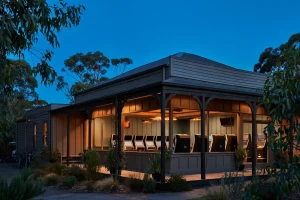 Best pokies in Tasmania: venue hours and accessThe article distinguishes venue trading hours from machine access and recommends contacting the venue when listings are unclear.
Parking belongs to the visit; online gambling belongs to a separate legal and consumer-protection question. Keeping them apart avoids treating a practical arrival detail as evidence of online approval—or treating an offshore website as an extension of a local casino. No shortcut.
Accommodation Near the Casino
A stay described as “near” the Adelaide casino is not automatically part of the venue, and proximity alone does not tell much about the practical value of a booking. I learned to separate those questions at the counter: a room’s relationship to an attraction is one thing; the terms attached to the room are another. Treating them as a single offer is where comparisons start to blur.
Distance can mean a short walk, a quick trip by transport or simply the same general part of the city. Those are not interchangeable descriptions. Before comparing places to stay, the useful details are the actual route, travel time by the method that suits the stay, and whether the listing describes the property’s location precisely. A map pin can look close while the route on foot is less direct. “Close by” is a sales phrase, not a measurement.
The same caution applies to accommodation deals. A lower displayed rate does not, by itself, show the full cost or the flexibility of the booking. The conditions that matter are the dates covered, what is included, whether cancellation is permitted and when payment is due. Those terms can change the value of an offer more than the headline wording suggests. “Special” is not a set of conditions.
Do
- Verify the actual route and travel time to the property
- Check the dates, room category, and cancellation terms
- Use the written confirmation for room features
Don't
- Rely on a map pin as a complete visit plan
- Assume a "special" label guarantees a discounted rate
- Infer room features from a photograph
I would also keep a casino promotion separate from a lodging offer unless the terms explicitly connect them. A promotion associated with gaming does not establish that a room is included, discounted or available on the same dates. Likewise, a room listing that mentions the casino does not prove that it is sold by the venue. The distinction matters: accommodation near the casino and accommodation marketed as part of the casino are different searches with different booking conditions.
For a stay centred on the venue, location should be assessed in relation to the rest of the itinerary as well. A property can be convenient for one destination yet less suitable for other plans. Comparing the route to the casino with the routes to transport, appointments or other planned stops gives a more grounded picture than relying on a broad neighbourhood label. No single description settles it.
Opening hours and gaming-machine availability are separate venue questions, not measures of accommodation value. A hotel listing cannot establish when the casino trades, and a casino schedule cannot establish whether a nearby room is available. Keeping those details apart avoids building a trip around assumptions that the booking itself does not confirm.
I use a simple test for any accommodation claim: does it identify the property, explain the location clearly and set out the booking conditions? If not, the wording may be useful as a starting point, but it is not enough to compare offers. A nearby stay can be convenient without being a casino package, and a promotional phrase can sound generous without changing the room terms. Read the booking as a booking. Nothing more.
 Darwin Casino: Entertainment, Stays and Practical ChecksExplore Darwin Casino’s role in local entertainment and see which hotel, hours, events, poker, online gambling and on-site details need separate verification.
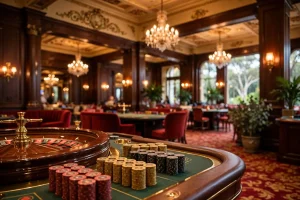 Victoria Casino Searches: What Can Be VerifiedSeparate confirmed accommodation, room inclusions and venue details from assumptions; a casino setting alone does not establish a room feature or rate…
Contact Details, Bars and Live Shows
Contact details, a bar visit and a concert booking are separate practical questions, even when they appear together in a venue search. I would not treat a phone number copied from an old directory, a map pin or a social post as interchangeable with a current contact route. Listings can persist after details change. For a current number or directions, start with the venue’s own published channels and check that the page refers to the Adelaide venue, rather than another business with a similar name.
A map can help with orientation, but a pin is not a complete visit plan. It may identify an entrance or a general location without clarifying access arrangements, opening times or event entry. Those details should be checked against current venue information before travelling. Parking is a separate practical issue; a map result alone does not establish what parking is available or how it works.
The same caution applies to a bar search. A venue name paired with “bar” does not establish what is operating, what it serves or when it is open. I would look for current, venue-published information before making plans around a particular bar. Older photographs and reviews can be useful for context, but they are not reliable evidence of present-day service. Promotional language such as “vibrant” says little about hours, access or the actual offering. Details matter.
Attention: A listing without a clear date is not a schedule, and a poster is not a confirmation of an event.
Concert listings need a date and a source that can be checked. An old event page may remain visible after the performance has passed, while a third-party listing may not reflect changes to the programme. Before arranging a visit, confirm the event directly through the venue’s current announcements or the event organiser’s official page. A listing without a clear date is not a schedule. A poster is not confirmation.
Searches mentioning baccarat or craps raise a different question: whether those games are currently available at the venue. The game names alone do not confirm that. I would avoid reading availability into a general venue listing or an old review; current details should come from an official venue source. That keeps a game search from being mistaken for confirmation of a particular table, session or operating arrangement.
When contacting the venue, the reason for the enquiry helps direct it: general access, a bar, an event or a game are not necessarily handled by the same team. If a first contact route does not answer the specific point, ask for the appropriate department rather than relying on an assumption drawn from a directory label. Keep the distinction clear. A contact page may confirm how to reach the venue, but it does not by itself verify current bar service, concert dates or game availability. Verify each item separately.
Breakfast, Buffet Searches, Jobs and Rewards
Breakfast and buffet searches sit at the practical end of a casino visit: they concern what can be eaten and when, not the wider appeal of the venue. A phrase such as “casino resort” can also blur separate questions about accommodation, dining and gaming. I have found it useful to keep those decisions distinct. A resort label does not, by itself, establish what breakfast is served, whether a buffet operates or what a stay includes.
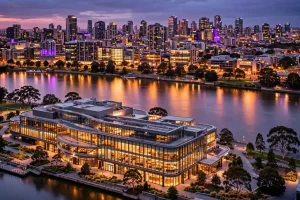
The same distinction applies to rewards. “Rewards” is a broad label, not a description of a specific benefit. Its value depends on the written terms: who qualifies, what activity counts, how benefits are earned and when they can be used. Those mechanics matter more than the label. A polished name can make a programme sound like an automatic return; the conditions decide what it actually does. Small print matters.
Casino employment searches call for a different kind of scrutiny. A job title alone says little about the duties, shift pattern, required experience or employment conditions. Those details belong in the actual vacancy and its formal description, rather than being inferred from the venue’s name. The phrase “casino job” can cover very different work, so the role itself is the useful unit of comparison.
There is also a difference between a venue role and work in the broader hospitality sector. A position connected with a casino may involve guest service, operations or other functions, but the exact responsibilities come down to the advertised role. I would read the description for the ordinary mechanics of the work: reporting lines, roster expectations, required qualifications and the stated employment terms. The title is only a start.
Breakfast and buffet terms deserve the same literal reading. “Buffet” describes a style of service, not a promise that it is available every day or included with a booking. “Breakfast included” is meaningful only alongside the conditions attached to the stay. Treating those phrases as interchangeable is an easy way to misunderstand an offer. The wording matters.
Searches that combine accommodation, food and casino activity can make one property seem like a single bundled product. In practice, each component has its own conditions and should be assessed on its own terms. A room arrangement does not prove a meal arrangement; a rewards label does not settle what benefits apply; and a job listing is not a general account of employment at the venue.
That is the useful way to read these categories: separate the service, the offer and the role. Keep breakfast and buffet questions focused on dining arrangements, rewards questions on written programme rules, and employment questions on the specific vacancy. It avoids turning a broad label into a promise. No guesswork.
Spa Searches, Address and Dress-Code Queries
Spa-related searches can make a venue sound more complete than its confirmed facilities warrant. I would not treat a “day spa” or “spa” label in a directory as proof that treatments, a pool, or wellness services are available at the Adelaide Casino. Those are specific offerings, and they can change independently of the casino itself. The practical distinction is simple: a search phrase signals what someone hopes to find, not what the venue currently provides.
The same caution applies to an address. “Adelaide Casino” is a useful place name, but an address copied from an old listing can be less useful than the venue’s current official directions, particularly when a listing refers to an entrance rather than the full site. I would check the casino’s own location information before setting a route or arranging a meeting. No guesswork.

Dress-code wording also needs context. Terms such as “smart casual” are not self-explanatory: one venue may apply them to a particular area or event, while another may use different standards at different times. I would not present a general dress rule as a confirmed casino-wide policy without current, venue-specific wording. Where a visit is planned around a particular event or space, its own entry conditions are the detail that matters.
That is the useful way to read broad practical listings. An address, a spa service and a dress rule are separate facts, not evidence for one another. A venue can have a confirmed location without offering spa facilities; an image of a polished interior does not establish a treatment menu; and an old visitor comment does not settle today’s entry policy. Promotional language can blur those distinctions. “Relaxing” describes an impression, not a service. “Dress to impress” is not a precise rule.
The casino’s physical venue should also be kept separate from online casino games. Under the Interactive Gambling Act 2001, operators cannot provide real-money online casino games, including pokies and table games, to people in Australia. A venue’s name appearing beside a games-related listing does not make those online services lawful for Australian customers.
For practical planning, the dependable standard is current, official venue information for the specific detail at issue. If that information does not clearly confirm a spa service or dress requirement, neither should be assumed. A search result may point in the right direction; it is not the policy.
If official venue information does not clearly confirm a spa service or dress requirement, neither should be assumed.
Restaurants at the Adelaide Casino
A restaurant associated with a casino can mean several different things: a dining room inside the venue, a separate business on the same site, or a nearby restaurant included in a broad map result. Those distinctions matter. A listing that places a restaurant close to the Adelaide Casino does not, by itself, show that it is part of the casino or that casino visitors can enter it through the venue.
I learned to treat “at” as a claim about location, not as a decorative word. The same applies to “in”. A restaurant described as being in the casino should be identifiable as an on-site venue, rather than merely appearing beside the casino in a directory. That is a small distinction with practical consequences: it affects where the entrance is, whether the business is part of the venue and which operator is responsible for its service.
The wording “Adelaide Casino restaurants” can also suggest a choice of dining venues, but a plural label is not a directory. Restaurant names, menus, trading hours and booking arrangements need to be tied to current venue information before they can be relied on. Those details can change independently, so an old listing may not describe what is operating now. “Popular” is advertising language; what matters is whether the venue and its current arrangements are clearly identified.
A rooftop bar is a separate kind of claim. The words combine a particular setting with a type of hospitality venue, but they do not establish that a rooftop bar exists at the casino. Nor does a bar listing answer a restaurant question: the service, menu and operating arrangements may differ. I would keep the two categories separate rather than treating any elevated dining or drinks listing as proof of both.

For a meal specifically at the casino, the useful checks are straightforward: confirm that the restaurant is presented as part of the Adelaide Casino, verify that its current listing still applies, and distinguish its details from those of nearby businesses. A search result or map pin can help locate a name, but it is not the same as confirmation from the venue responsible for it.
That is the difference between a nearby option and an on-site restaurant. Small wording. Different plan.
Food Options and Pool Queries
Food searches around the Adelaide casino can mean different things: a meal at a named restaurant, a casual counter-service option, or a shared food-court-style area. Those are not interchangeable. A food-court label suggests several vendors grouped in one place; it does not, by itself, establish that the venue has one. I have seen broad dining language do a lot of work in casino listings. The wording can sound definite while leaving the actual format unclear.

That distinction matters when planning a visit. A restaurant listing and a general reference to food do not answer the same practical question, and neither tells anyone what is available at a particular time. Treating them as equivalent is how expectations get ahead of the details. A label is not a menu.
Pool searches need the same separation between a casino and its associated facilities. A pool is a specific amenity, not something implied by the word “casino” or by a reference to food and leisure. Search results can combine information about different parts of a property, so a pool mention should not be taken as confirmation that the gaming venue itself provides one.
I would look for a clear, current statement tied to the specific venue before relying on either an assumed food-court arrangement or pool access. If the wording only says “dining” or “facilities,” it does not settle those details. That is the useful distinction: broad category versus confirmed feature.
Food and pool are separate planning questions, even when they appear together in a listing. Keeping them separate avoids mistaking a general description for a specific service. No guesswork.
Are online casino-style games restricted in Australia?
Yes. The Interactive Gambling Act restricts Australian-based operators from offering online casino games such as pokies, blackjack and roulette to people in Australia. Offshore sites are not regulated under Australian law, and some block access from Australian IP addresses.
What is the legal status of offshore online casinos and NSW gambling law?
Offshore online casinos are not regulated under Australian law, although it is technically not illegal for Australian players to use them. Australian-based operators cannot offer online casino games to players in Australia under the Interactive Gambling Act.
What is the legal age to play pokies in NSW?
You must be 18 or older to gamble on poker machines in NSW.
How do NSW pokies regulators monitor player protection?
NSW uses mandatory pre-commitment systems, which require players to set a loss limit before playing.