Poker availability, accommodation, dining and other facilities should be checked against current venue information before plans are made.
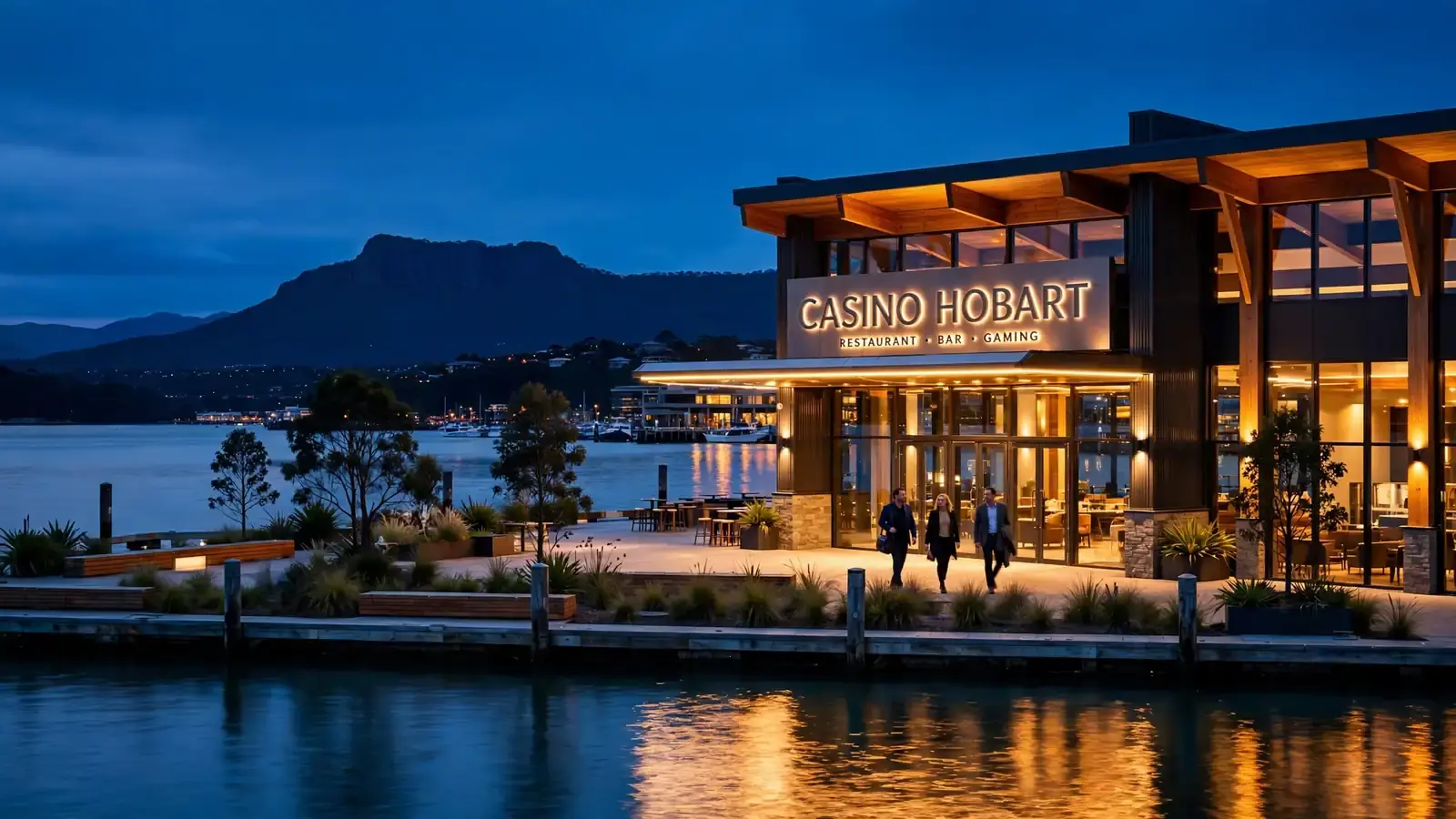
Poker at Hobart Casino: Rooms, Tournaments and What to Confirm
A search for poker at Hobart Casino can point to two different things: a dedicated poker area or event, and “rooms” in the sense of accommodation. The wording alone does not establish that either is currently available. I would treat poker-room and tournament information as unconfirmed until it appears in current venue information or is confirmed directly by the venue.
That distinction matters because a casino’s general gaming facilities do not prove that it runs poker. Poker may be offered in a separate room, scheduled for particular sessions, or not offered at all. A tournament listing is a further claim: it should identify the event and its terms, rather than rely on a broad statement that poker is part of the venue. Marketing language can make a facility sound permanent when the detail actually depends on a particular date. Check the detail, not the label.
What a poker-room listing should establish
A useful listing should make clear whether the room is operating now, what kind of poker it covers, and whether access depends on a scheduled session. It should also say how participation works: whether registration is required, when it opens, and whether places are limited. Those are not minor details. They determine whether a casual visit is realistic or whether the event needs planning.
Choosing a casino while in Hobart calls for a careful look at the details available for each option. This list offers a concise reference to help you assess the operators on the information provided.
-
WinSpirit Casino
- License
- Curacao eGaming OGL/2024/923/0383 (Antillephone N.V.)
- Min. deposit
- A$30
WinSpirit Casino lists a Curaçao eGaming licence, issued through Antillephone N.V., and a minimum deposit of A$30.
-
Golden Pokies
- License
- Curacao
Golden Pokies lists a Curaçao licence. That licensing information is the available basis for assessing this operator.
-
Wild Tokyo
- License
- Curacao
- Payout speed
- crypto 30-60 minutes, fiat 1-5 days
- Min. deposit
- A$10
Wild Tokyo lists a Curaçao licence and a minimum deposit of A$10. Its stated payout times are 30–60 minutes for crypto and 1–5 days for fiat.
-
MrPacho
- Payout speed
- crypto 30-120 minutes, fiat 24-72 hours
- Min. deposit
- A$30
MrPacho lists a minimum deposit of A$30. Its stated payout times are 30–120 minutes for crypto and 24–72 hours for fiat.
-
Bizzo Casino
- License
- Curacao Gaming Control Board (TechSolutions Group N.V.)
Bizzo Casino lists a Curaçao Gaming Control Board licence associated with TechSolutions Group N.V.
-
GoldenCrown
- License
- Curacao Gaming Control Board OGL/2023/176/0095 (Hollycorn N.V.)
GoldenCrown lists a Curaçao Gaming Control Board licence, OGL/2023/176/0095, associated with Hollycorn N.V.
-
Vegaz Casino
- License
- Curacao OGL/2024/1335/0780
- Min. deposit
- EUR 20
Vegaz Casino lists a Curaçao licence, OGL/2024/1335/0780, and a minimum deposit of EUR 20.
-
Thor Casino
- License
- Curacao – Antillephone N.V. (Versus Odds B.V.)
- Min. deposit
- EUR 20
Thor Casino lists a Curaçao licence through Antillephone N.V. (Versus Odds B.V.) and a minimum deposit of EUR 20.
-
Neospin
- License
- Curacao Gaming Control Board OGL/2023/176/0095 (Hollycorn N.V.)
Neospin lists a Curaçao Gaming Control Board licence, OGL/2023/176/0095, associated with Hollycorn N.V.
-
SkyCrown
- License
- Tobique Gaming Commission
- Payout speed
- crypto ~10-15 minutes, fiat 1-5 days
- Min. deposit
- A$30
SkyCrown lists a Tobique Gaming Commission licence and a minimum deposit of A$30. Its stated payout times are approximately 10–15 minutes for crypto and 1–5 days for fiat.
For a tournament, the listing should identify the format and the applicable entry conditions. If the information gives only a tournament name or an old event notice, it may describe something that has already passed. A date without current confirmation is not a reliable indication of a regular schedule. I have seen how a headline can outlive the arrangement behind it. The small print matters.
Where no current schedule is available, the sensible conclusion is simply that the schedule has not been confirmed. It is not evidence that a tournament is running, nor proof that poker is permanently absent. Ask the venue whether poker is currently offered, whether the room is open on the intended visit date, and whether any event requires advance registration. Keep the answer tied to the date; an answer about one session does not establish a standing programme.
“Rooms” can mean different things
The word “rooms” is especially easy to misread. In a poker context, it may mean a gaming room; in a stay-planning context, it may mean accommodation. A search result that places those words near a casino name does not prove that the casino offers hotel rooms, or that a poker room is operating. Those are separate claims and need separate confirmation.
The same caution applies to references to a sports bar. A bar listing would not, by itself, confirm poker tables, tournament access, or a link between the bar and a poker event. Nor should a general venue page be treated as an event calendar unless it actually provides current event details. One facility does not establish another.
 Casino in Melbourne: hotel stays and venue detailsLearn how hotel bookings, casino access, parking searches and venue facilities differ. Deal conditions can depend on dates, room category and party…
 Video Slots in Australia: How Online Play WorksLearn how video slots present random outcomes across phones, tablets and desktops, and why past spins cannot predict the next result.
A practical check before travelling
Before making plans around poker, look for a current official venue notice and confirm the details directly if the notice is unclear. Check that it refers to Hobart, the relevant date, and the specific poker activity—not merely casino gaming in general. If the only information is an undated directory entry, an old event page, or a third-party summary, treat it as a lead to verify rather than a confirmed offering.
The same principle applies to whether the venue is open on a particular day. A general business listing may not settle whether a poker area or event is operating, and venue opening status does not establish poker availability. Confirm those points separately, especially when the visit depends on a tournament or a specific session.
I would not build an itinerary around an assumed poker room, tournament, or accommodation option. First establish which “room” the information means; then confirm that the relevant service is current and available for the intended date. A precise confirmation is more useful than a broad casino description. Short answer: verify the activity itself.
Accommodation Near the Casino: What the Search Results Need to Establish
A request for accommodation near Hobart Casino can mean several different things: a room sold by the venue, a separate property within a convenient distance, or a package that combines a stay with another offer. Those are not interchangeable. I have seen listings blur the distinction with a casino name in the headline, even when the booking is for a different business. The name attracts attention; the booking conditions determine what is actually being sold.
Attention: A casino name in a headline does not prove the booking is for that venue; always verify the specific business supplying the room.
For a nearby stay, the useful detail is the property’s own identity and location, not simply a claim that it is “close to the casino”. A map can help establish the route, but distance on a screen does not describe the walk, transport options or practical journey at the time of a visit. The listing should make clear which address belongs to the accommodation and which belongs to the casino. If it does not, the apparent proximity is difficult to assess.
I would also separate a room rate from a casino promotion. A result described as an accommodation deal should state which business supplies the room, what is included in the quoted price and which conditions apply to the booking. A casino promotion is not automatically a lodging offer. Nor does a casino name beside a price prove that the venue is providing the stay. The wording matters because each business may set different terms, and a headline may leave those terms out.
Before treating a rate as comparable, check the dates, room occupancy, payment conditions, cancellation rules and any extra charges shown before confirmation. A low headline price can be less useful than a clear total with conditions that fit the trip. If the offer depends on availability or a particular booking channel, that should be stated by the business rather than inferred from a search result. “Special” is a label, not a description of the deal.
 Best Casino in Perth: Hotel and Venue DetailsLearn how to distinguish a room at the casino property from a bundled hotel deal, and why rates and inclusions need to…
 Sydney Casino Guide to Hotels, Dining and Venue DetailsExplore casino-connected and nearby stays, NSW age checks and pre-commitment, dining search terms, parking, online-casino distinctions and venue details.
Keep the venue details separate
A casino’s location can help orient a stay, but it does not establish what accommodation exists nearby or whether any property is connected to the casino. The same caution applies to searches that combine lodging with gaming-machine information, poker machines, trading hours or opening times. Those are separate claims about venue operations. They should not be treated as evidence that a room is available, that a package exists or that a particular business is open for a booking.
Parking is another detail to verify independently. A nearby property’s parking arrangements do not establish parking at the casino, and a casino reference in a hotel listing does not confirm what parking the stay includes. The listing should identify where parking is offered and whether it is part of the accommodation terms. If transport is important to the stay, vague proximity language is not a substitute for checking the route and arrangements.
From the booking side, the most reliable comparison begins with the actual property and its own conditions. I would not treat a promotion as settled until the provider, inclusions and restrictions are visible together. If one of those pieces is absent, the offer is not yet clear enough to compare fairly. That is not a minor distinction: a booking is made with the accommodation provider named in the terms, not with the impression created by a headline.
A sensible result should let the stay stand on its own: a clearly identified property, a location that can be checked, and booking terms that explain the price and conditions. Casino association can be relevant, but it should not do the work of those details. Clear beats catchy.
Do
- Identify the property's own identity and address
- Check the total price with all conditions
- Verify the specific provider of the room
Don't
- Rely on vague "close to the casino" claims
- Assume a casino promotion is a lodging offer
- Infer deal details from a "special" label
Casino Hotel Rooms: Verify the Property Before Booking
A listing that combines “casino” and “hotel” in its name does not, by itself, establish that the casino operates accommodation or that rooms are inside the venue. I have seen how easily a label can do more work than the details beneath it. The property name, the room provider and the location need to match before a booking can safely be treated as a stay at a casino hotel.
That distinction matters when comparing Hobart casino hotel rooms with hotels elsewhere in Hobart. A nearby property may describe its location by reference to a casino without being part of the venue. A package may also bring separate businesses together for promotional purposes. Neither arrangement necessarily means that a casino owns, manages or directly books the room.
Check who is actually selling the room
Before treating a page as an official hotel offer, identify the business named as the accommodation provider. Check that the address and property name on the booking page are consistent with the details shown at confirmation. If a third-party booking service is involved, its role should be clear: it may be selling a room at an independent property rather than accommodation operated by the casino.
The same care applies to room descriptions. A heading such as “casino hotel” does not confirm what room types are available, what is included, or whether the room is in the casino building. Those points belong in the property’s own current listing and the booking conditions. If the description is vague, the practical answer is not to infer the missing detail from the headline.
I would also keep the booking record. The confirmed property name, address, dates, room description and seller should be visible together, rather than scattered across a promotion and a separate checkout page. If those details do not line up, pause before paying. A polished package page is not the contract.
 Darwin Casino: Entertainment, Stays and Practical ChecksExplore Darwin Casino’s role in local entertainment and see which hotel, hours, events, poker, online gambling and on-site details need separate verification.
 Queensland Casino Hotels: Rooms and Stay DealsLearn how to assess casino hotel listings and stay deals in Queensland, including why a casino association does not necessarily mean a…
Treat hours and shows as separate information
Questions about Hobart casino opening hours or shows concern venue operations, not proof that a hotel room is available. A page mentioning entertainment or a casino’s hours cannot establish that a room is on site, that an event is included in a stay, or that the accommodation provider is the casino. These are separate claims, and each requires its own current confirmation.
This is especially important when a booking is built around a particular visit. A room reservation and a venue schedule can change independently. The booking confirmation should state what has actually been purchased; an event mention elsewhere should not be read as part of the room rate unless the terms say so.
Search results for casino hotels in Hobart can also mix nearby accommodation with properties using the casino as a location reference. That is useful for discovering possibilities, but not enough to establish ownership or a direct relationship. I would regard “near the casino” as a location description, not a guarantee of affiliation.
In short, verify the seller, property and exact room terms before treating any offer as a Hobart casino hotel booking. If the page does not make those basics clear, the safest conclusion is that the relationship has not been established. No assumptions.
Parking, Bingo, Dining and Online Searches: Separate the Claims
Parking, bingo and dining are practical venue questions, but they do not establish what is operating at a particular casino. I have seen broad venue descriptions treated as if they were live service information. They are not the same thing. A listing may mention an amenity without confirming its current availability, conditions or hours.
Legal Restriction
Under the Interactive Gambling Act 2001, operators based in Australia cannot offer real-money online casino games to people in Australia.
For parking in Hobart, the useful distinction is between a general parking reference and an arrangement that has been confirmed for a particular visit. The same applies to valet parking and any claim that parking is free: those terms describe different services or conditions, not interchangeable promises. A reliable confirmation should make clear whether parking is on site, whether access is restricted, and whether a fee or other condition applies. Without that detail, “parking available” says little about what a driver can expect.
Bingo should also be treated as a separate activity rather than assumed to be part of casino gaming. A venue’s casino identity does not establish that bingo sessions are held there. If bingo is being considered, the relevant information is a current schedule and any participation conditions published by the venue. An old event listing or a general directory entry can persist after arrangements change. Check the date attached to the information, not just the venue name.
Dining needs a similar distinction. A casino being associated with hospitality does not by itself confirm that a dining service is open, what kind it is, or when it operates. General venue descriptions can blur restaurants, bars, event catering and other food services into one broad claim. For a meal plan, the specific service and its current operating details matter more than a generic reference to dining. This keeps a venue search separate from a promise about a particular restaurant or menu.
The phrase “best casino in Hobart” can also mix these on-site questions with online gambling. They are different matters, and Australian law draws a firm line around online casino services. Under the Interactive Gambling Act 2001, operators based in Australia cannot offer real-money online casino games to people in Australia. That restriction covers games such as pokies, blackjack and roulette.

Offshore platforms are not regulated under Australian law. Although Australian players are not technically prohibited from using them, that does not make an offshore service an Australian-authorised casino or bring it under local consumer protections. The distinction is important: a website using Hobart or Australia in its marketing is not thereby a local venue or a locally regulated online service. I would not treat an online offer as an extension of a physical casino.
These categories call for different checks. For an on-site visit, confirm the specific parking, bingo or dining arrangement through current venue information. For online gambling, do not infer legality or local oversight from a familiar name, location label or polished presentation. Clear distinctions prevent an amenity listing from becoming a booking assumption—and prevent an offshore website from being mistaken for a Hobart casino.
Contact Details, Bars and Events: Check Current Venue Information
A phone number copied across directories can look authoritative and still be out of date. I treat contact details as operational information, not background copy: a changed switchboard, booking route or venue policy can make an old listing useless. Before relying on a number, compare it with the casino’s own current website or official social channel. If the details conflict, use the channel the venue itself currently publishes rather than a third-party directory.
If contact details in directories conflict, use the channel the venue itself currently publishes rather than a third-party source.
The same check matters for maps and directions. A map pin can identify a broad site without showing the right entrance, access route or parking arrangements. Confirm the destination against current venue information, especially when an event may use a particular entrance. A search result mentioning a car park does not establish that parking is available, free, open to visitors or suitable for a specific vehicle. Those conditions need direct confirmation.
Bars are another area where wording can overstate what is actually available. A listing may name a bar without showing whether it is operating, what access rules apply or whether service changes on event nights. I would confirm the venue’s current information before making plans around a bar visit. That is not the same as assuming a bar is part of the casino’s present offering.
Concert listings need an equally careful read. A past event page can remain visible after the date has passed, while an announcement may be provisional or refer to a different part of a venue complex. Check the event date, location, ticketing route and any current notice from the venue or event organiser. A search result alone is not confirmation that a concert is scheduled or that tickets remain available. Promotional language is cheap. The date is what matters.
Game names can also create the wrong impression. Searches for baccarat or craps do not confirm that either game is offered at a particular venue, or that it is available at the time of a planned visit. In my experience, game references are often repeated from old directories and listings; they are not a substitute for current, venue-published information. Confirm the specific game and any access conditions directly before relying on a listing.
 Best Casino in Brisbane: Hotel and Venue ChecksLearn how to distinguish a casino visit from a hotel booking and why the property taking the room reservation should be verified.
 Best Pokies in Brisbane: Hours and Venue ChecksLearn why a venue’s listed opening hours do not confirm pokies are operating, and what to check when assessing Brisbane venue claims,…
A useful check is to keep each claim separate: contact number, map location, parking, bar service, event details and table games are different questions. One accurate detail does not validate the rest. If a phone call is needed, use the contact number shown through the venue’s own current channel, then ask only about the particular arrangement at issue. Record the answer and when it was given; event and access information can change.
No assumptions. Current details only.
Breakfast, Buffet and Rewards: Details That Need Confirmation
Breakfast and buffet wording can make a venue sound more comprehensive than the available details establish. A page mentioning breakfast does not, by itself, confirm that breakfast is served at the casino, that it is included with a stay, or that it is available to walk-in guests. The same applies to a buffet: the label needs to be tied to a named operator, current service times and clear conditions before it can guide a visit.
I have learned to separate the promise from the operating detail. “Breakfast included” is not a complete description; the important parts are where it is served, which bookings qualify and whether the offer applies on the intended date. “Buffet” can describe a format rather than a currently available service. Without those particulars, neither phrase settles what is actually on offer. Check the venue’s own current information before making plans.
The resort label needs similar care. It may appear in a listing or promotional description, but that wording alone does not establish that the casino operates a resort, sells accommodation or bundles meals with a room. Those are separate claims. A useful listing should identify the business responsible for each service and set out the terms that connect them, if any. Otherwise, “resort” is just a label.
Rewards searches can also blur distinctions. A loyalty programme may relate to a venue, a hotel, a restaurant or another business entirely; the shared name is not enough to show that benefits carry across. Before relying on a claimed reward, the material should identify who runs the programme, who can join, what purchases qualify and any exclusions or expiry conditions. A points balance is only useful when its rules are clear.
The wording “exclusive” is where I become cautious. In practice, it can mean a genuine member benefit, but it can also be a headline attached to a narrow offer with conditions below it. The detail matters more than the adjective. No shortcut there.
Employment searches deserve the same distinction between a venue association and a live vacancy. A page about casino jobs may be an old listing, a recruitment agency result or a general description of hospitality work. A credible vacancy should name the employer, role, location, duties and application route, with a current closing status. A search result alone does not confirm that jobs are available at a particular venue.
For breakfast, buffet, resort, rewards and work opportunities, the practical test is consistent: identify the business making the claim, then read the current terms attached to that specific service or role. If the information does not say who provides it or what conditions apply, it is not enough to support a booking, a visit or an application.

Opening Hours, Entertainment and Development: What Is Actually Confirmed
Whether the casino is open is a question about its present operating status, not a detail that can safely be inferred from an old directory entry or an undated review. I treat “open” and “reopening” as claims that need a current, dated confirmation from the venue or another authoritative source. A page that still appears online does not, by itself, establish that the premises are receiving visitors or that normal operations have resumed.
The same standard applies to entertainment and events. A past listing can show that something was announced at one time; it cannot establish that the event is happening now, that tickets remain available or that the venue’s wider entertainment programme is continuing. Event calendars can also change. The useful checks are the event date, the organiser’s current notice and any update or cancellation information. Until those details line up, a listing is not a firm plan.
Development claims need an equally careful reading. “Development” might refer to a proposal, an approval, construction, a completed project or simply a discussion about future plans. Those stages are not interchangeable. I look for a clear description of what has actually happened and a dated statement from the relevant organisation or authority, rather than treating a headline or promotional phrase as evidence that work is under way. Plans can change. That is the practical distinction.
Employment information has its own limits. A recruitment page or vacancy notice can indicate that a position was advertised, but it does not establish that the role is still open, that hiring is ongoing or that a larger development has created jobs. The status and publication date matter; so does whether the notice comes from the employer or from a third-party listing that may not have been updated. No inference should be drawn from a general claim about expansion.
Attention: Archived menus, old reviews, and undated directory entries do not confirm current operating hours or availability.
A menu can be similarly misleading when used to judge whether a venue is operating. An archived menu, a third-party directory entry or a customer review may describe an earlier visit, but none confirms current hours, current service or what is available today. Specific claims about dining belong with current venue information, not with an old review presented as a live offer.
For a review, I separate first-hand observations from statements about present conditions. The visit date matters, as do details that can change: operating status, event schedules and any advertised development. A confident tone does not make stale information current. I would not treat one positive or negative review as a complete account of the venue.
The point is not to dismiss every listing. It is to match each claim to evidence of the right kind and date. Where that confirmation is missing, the responsible description is simply that the current status has not been established. A clean distinction.
Spa, Address and Dress Code: Verify Before Making Plans
A search for a spa, bar or dress code can make a venue sound more fully specified than the available information supports. I separate the name attached to a listing from the detail that matters on the day: whether the service is operating, where it is, and what conditions apply. A polished result is not confirmation.
For the address, the useful check is a current venue-controlled listing or direct confirmation, then matching that location against the map pin and any booking information. Old directory entries can remain visible after details change. The same applies to a day spa: a spa-related result does not establish that treatments are offered at the casino, that appointments are available, or that a separate business is part of the venue. Confirm the operator and location before arranging a visit.
Dress codes are often written in broad terms, while the practical decision is whether a particular item of clothing is accepted at the time of entry. I would look for a current policy from the venue rather than rely on a visitor’s old account. If the wording leaves room for interpretation, ask the venue to clarify before travelling. Small conditions can determine whether the evening proceeds as planned.
Bar listings need the same discipline. A bar’s name or a photograph does not confirm current trading, entry conditions or service arrangements. Check those details through current venue information rather than treating a third-party listing as a live schedule. This is about visit planning, not restaurant menus or accommodation.
Career searches should be checked against the employer’s own recruitment information. A vacancy copied to a job board may have closed, and a role associated with a venue does not by itself confirm who employs the staff. Verify the employer, application route and whether the position is current before sharing personal information.
“Casino games” can also mean different things. It may refer to games at a physical venue, or to online casino-style services. The latter are not a lawful service for operators to provide to people in Australia under the Interactive Gambling Act 2001. That distinction matters: an online listing is not proof of an authorised local service.
I have learned to treat venue details as operational information, not atmosphere. Confirm the specific service and conditions close to the visit. A name is not a booking.
Restaurants at Hobart Casino: Confirm What Is Open
A restaurant name attached to a casino can mean several different things: a dining room inside the venue, a nearby business using the location as a reference point, or a listing that has not kept pace with a change in operation. I treat those as separate claims. “At the casino” should mean the restaurant is part of the property, not simply within the same neighbourhood.
Defining "At the Casino"
In the context of restaurants, this should mean the dining room is part of the property, not simply located within the same neighbourhood.
For a restaurant visit, the useful evidence is current operating information tied to the venue itself. A listing should identify the restaurant, show whether it is taking bookings or walk-ins, and state its present service arrangements. An old menu or an undated directory entry is not enough to establish that a dining room is open now. Casino facilities can change, and a restaurant’s former presence does not settle its present status.
I have seen how a broad venue label can outlast the detail behind it. A result may continue to describe “restaurants” even when it points to a general property page, a past listing or a business nearby. The label does the selling; the booking details do the checking. Small distinction. Important one.
The same caution applies to searches for restaurants near the casino. Nearby does not mean on-site, and distance alone does not establish any relationship with the venue. Check the restaurant’s own current listing for its address and booking information, then compare that with the casino’s official venue information if the distinction matters to the plan. If the two records disagree, treat the relationship as unconfirmed rather than assuming one is a branch of the other.
A rooftop bar is a separate proposition from a restaurant. The words may appear together in a venue description, but that does not confirm a rooftop location, restaurant service, or current access. A bar listing should not be used as evidence that a dining room is operating; nor does a restaurant mention prove that a rooftop bar exists. Each claim needs its own current confirmation.
For Hobart Casino Australia searches, the sensible standard is straightforward: establish the exact business name, its connection to the casino, and whether it is currently accepting diners before building a visit around it. Menus, booking options and service times can change, so a saved page or third-party summary may not reflect today’s arrangements. The point is not to infer a restaurant from the casino label. Confirm the restaurant itself.

Food and Pool Searches: Don’t Assume the Facilities
Food and pool searches can make a venue sound more self-contained than it is. I learned to separate the question from the assumption: a result mentioning food does not establish a food court, and a pool-related listing does not establish that casino guests can use a pool.
For food, the useful distinction is between a general reference to eating on site and a clearly identified facility with current service details. A food-court label suggests multiple choices in a shared area; it should not be treated as confirmation unless the venue’s own current information describes that arrangement. The same applies to broad claims about food at a casino in Hobart. They may be shorthand, old directory text or a reference to something nearby rather than inside the venue.
A pool needs the same scrutiny. A photo, map marker or third-party listing can be attached to a wider property or nearby business. It does not, by itself, show that the casino operates a pool, that it is open to visitors, or that access comes with a stay or admission. Those are separate conditions, not details to infer from a search snippet.
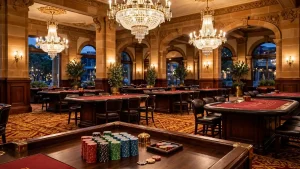
I check the venue’s own current pages or contact channel for the precise facility name, location, access rules and operating status. If those details are not stated, a listing should remain an unconfirmed lead rather than a planning fact. That is less satisfying than a neat answer, but it avoids arriving expecting a service that may not be there.
“On site” is doing a lot of work in venue descriptions. It can mean within a larger complex, adjacent to the casino, or simply associated with the same destination. The distinction matters most when plans depend on a particular amenity. Keep food arrangements and pool access as separate checks, and rely on explicit, up-to-date venue wording before building either into a visit.